Harvest 2026 Report
Every spring on our farm in Walla Walla, Washington, there’s one day that marks the true beginning of the next season:
shearing day.
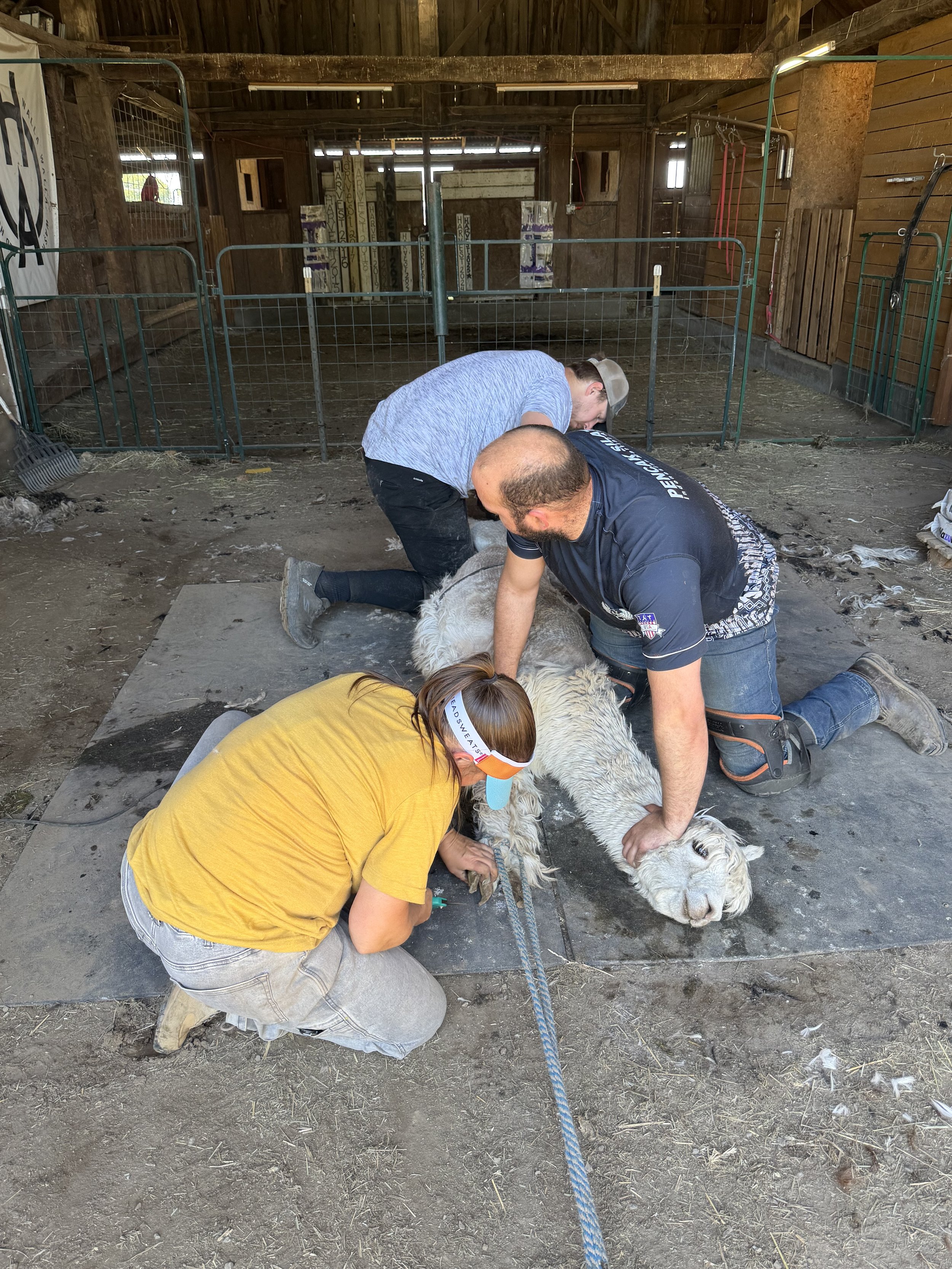
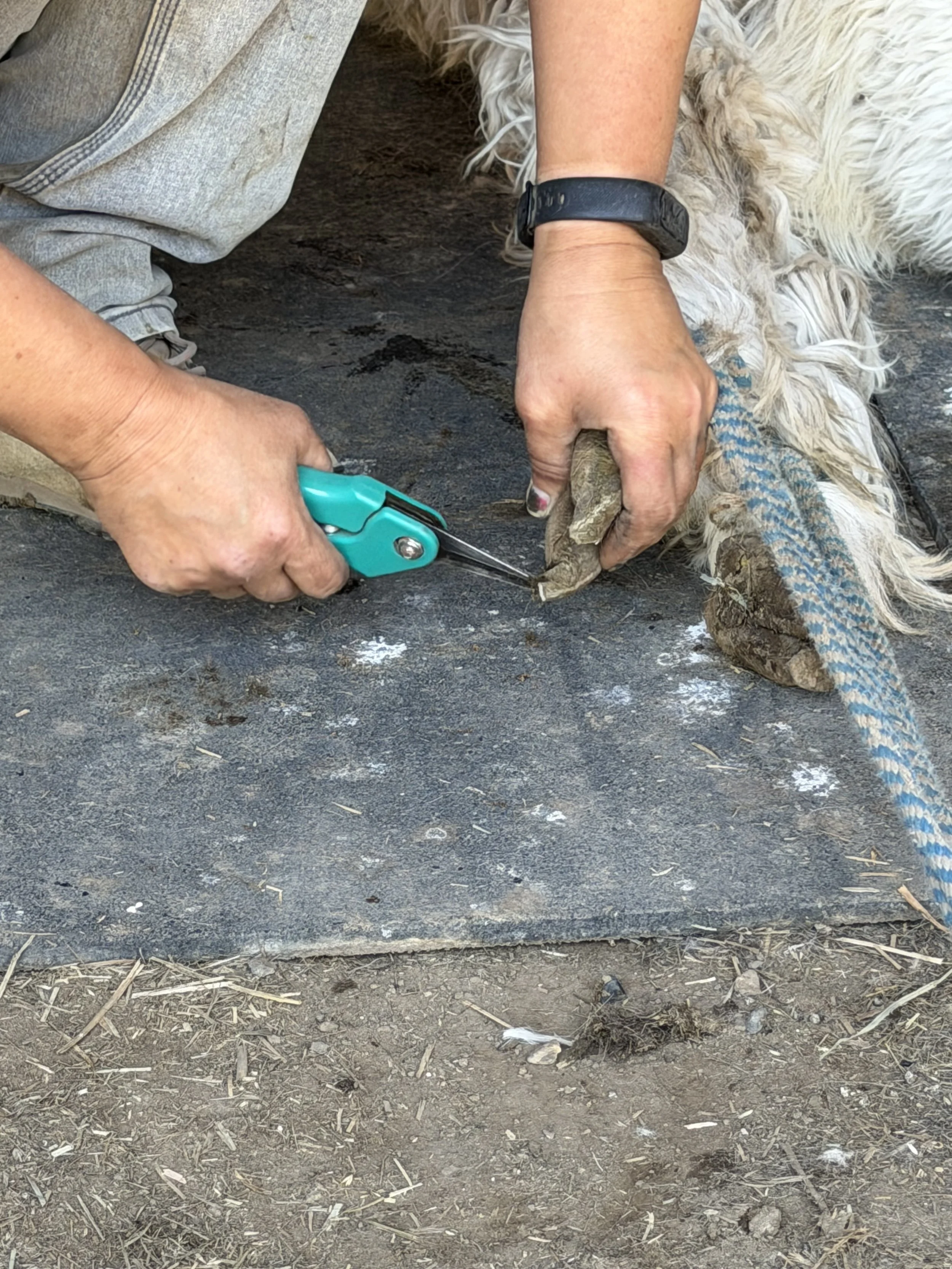
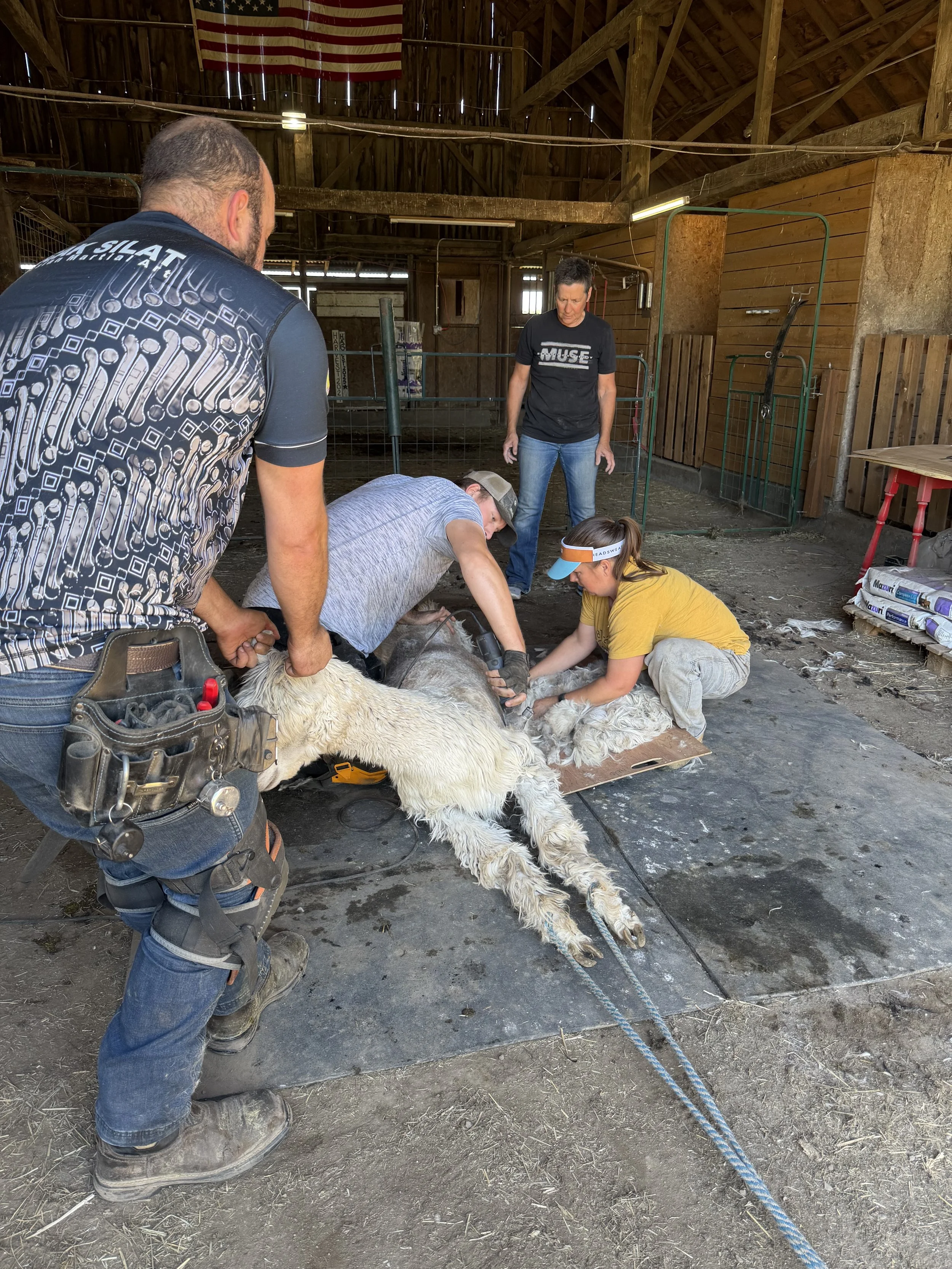
Around here, I refer to shearing as our annual harvest.
But friends of the farm know it best as opening day of NoodleNeck and BobbleHead season. Because, duh!
While most farms harvest crops from the field, our harvest comes directly from the alpacas themselves — soft, luxurious fleece that will eventually become the yarn and knitwear many of our visitors and longtime customers look forward to each fall.
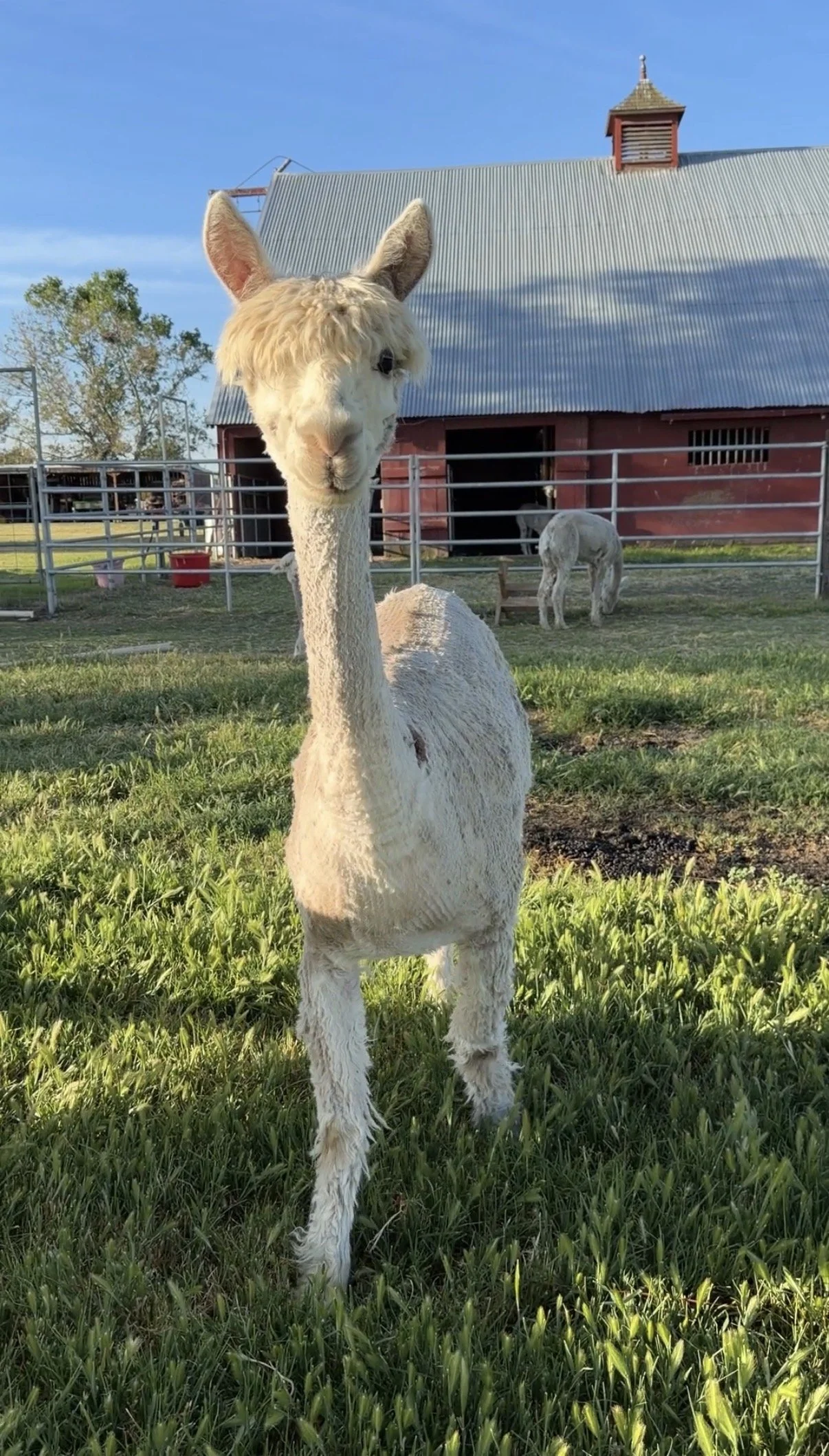
For guests visiting during our family friendly private farm tours, shearing season often comes as a surprise. One day the alpacas are fluffy and woolly, and the next they’re suddenly sporting what I jokingly call their “noodle neck and bobble head” look. But beyond the dramatic haircuts, shearing is one of the most important moments of the entire year here at Old Homestead Alpacas.
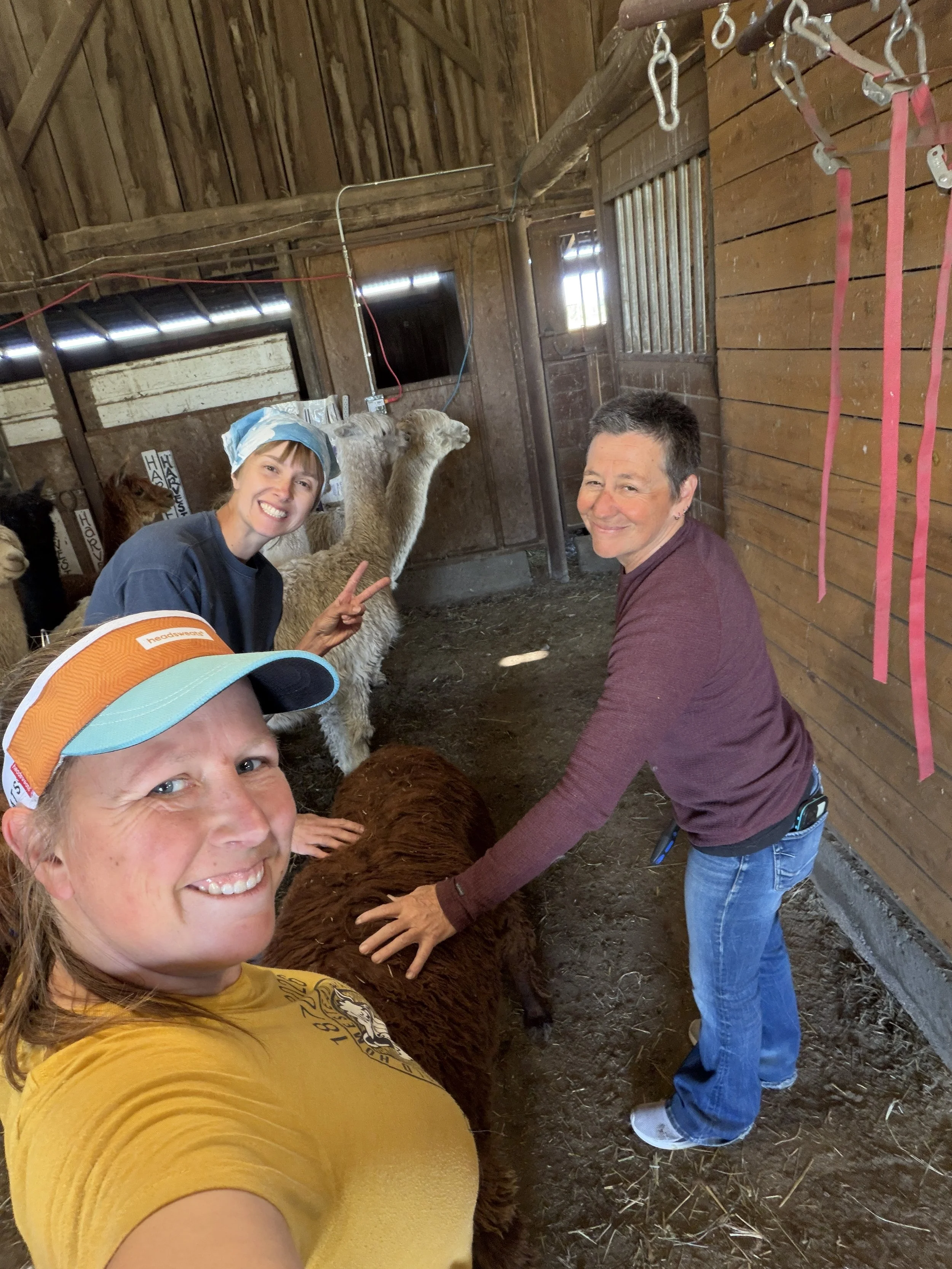
This year’s fiber harvest was on Monday, May 18th, 2026, and is now on its long journey toward becoming our upcoming Harvest Knitwear Collection.
The process is far slower and more hands-on than most people realize.
After shearing, every fleece is carefully sorted and evaluated. Different alpacas produce different fiber qualities, and even different portions of a single fleece serve different purposes. Only the softest and most consistent fiber — what many in the fiber world would consider the “prime cuts” — is selected for our knitwear yarn.
From there, the raw alpaca fiber travels to the mill for processing and spinning. Even after years of working with trusted mill partners, this stage still requires patience. Fiber mills operate seasonally, machinery schedules shift, and natural materials rarely follow rigid timelines.
Once the yarn is spun, it then heads to our local knitting partners before eventually returning here to the farm for one of my favorite stages: hand dyeing.
Unlike mass-produced clothing, our alpaca knitwear is created in small batches from start to finish. Every hat, cowl, and headband reflects not only the alpacas themselves, but also the specific rhythm of that year on the farm.
That’s part of why no two Harvest Collections are ever exactly alike.
Right now, while we wait for yarn to return from the mill, much of my focus shifts toward another seasonal project: the dye garden.
The dye garden has become an increasingly important part of our all natural fiber process here in Walla Walla. Each year I grow and harvest plants used for natural dyeing, creating soft, earthy colors inspired directly by the farm itself.
At the moment, chamomile flowers are just beginning to bloom and being harvested and stashed in my freezer. Other dye plants have just been planted, quietly shaping the colors that may eventually appear in this year’s collection.
Natural dyeing is beautifully unpredictable. Weather conditions, soil, rainfall, harvest timing, and even the mineral content in water can all influence the final colors produced from plants. That unpredictability is part of what makes the process feel deeply connected to the land and the season itself.
When visitors join us for a private alpaca farm tour in Walla Walla, many are surprised to learn how interconnected everything on the farm really is:
the alpacas,
the pasture,
the flowers,
the dye plants,
the yarn,
and the finished knitwear.
Each part influences the next.
As always, there are still unknowns ahead. We don’t yet know exactly when yarn will return from the mill or when the final collection will be completed. Working with natural fibers and local production means timelines often move slower than modern retail expectations.
But that slower process is intentional.
It allows us to create truly small-batch alpaca products that are rooted in craftsmanship, sustainability, and the natural pace of the seasons.
For now, the harvest has officially been completed, and little by little, this year’s collection is making its way into the world.
We’ll continue sharing behind-the-scenes updates from the farm as the process unfolds.